News & Press
Stay informed with the latest updates, legislative alerts, and academy announcements from the WVAEPS.


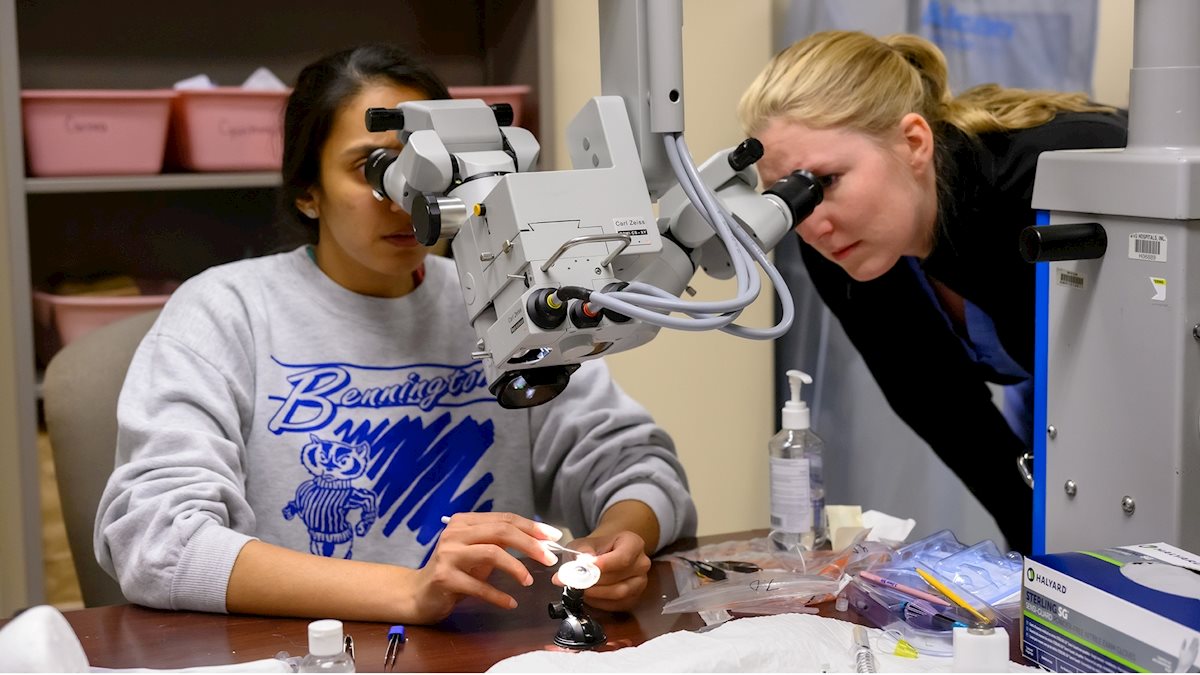
WVU's ophthalmology residents gained national visibility in 2024 after eight residents recorded 13 accepted research projects across six major conferences, including meetings hosted by the American Academy of Ophthalmology and ARVO. The breadth of topics ranged from artificial intelligence applications to thyroid eye disease, retinal disease, and anterior segment care. This story works especially well for a website archive because it highlights the pipeline of future eye surgeons and physician-scientists being trained in West Virginia. It demonstrates that the state's ophthalmology programs are not only treating patients, but also contributing new ideas and scholarship to the national conversation.
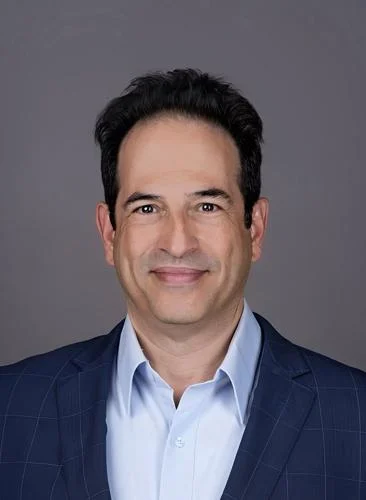
In a recent column (“WV must revise optometry laws to attract new optometrists”), an optometrist espouses the need for lawmakers to “modernize” our state’s optometry laws. What she is really asking policy makers to do is change state law to allow optometrists, who are not medical doctors or trained surgeons, to perform eye surgery. If permitted, this will jeopardize the eye health of West Virginia patients.

The arrival of cornea specialist Lena Chen added new depth to WVU's faculty in 2023 and marked another step in the growth of advanced subspecialty eye care in West Virginia. Chen joined the department after completing her cornea fellowship at WVU and brought expertise in corneal infections, trauma, inflammation, keratoconus, Fuchs' dystrophy, dry eye disease, cataract surgery, corneal transplantation, and cross-linking. For a Joomla news archive, this is a valuable recruitment and access story: it shows that West Virginia continues to strengthen its specialist workforce, which in turn helps patients receive complex cornea care closer to home.
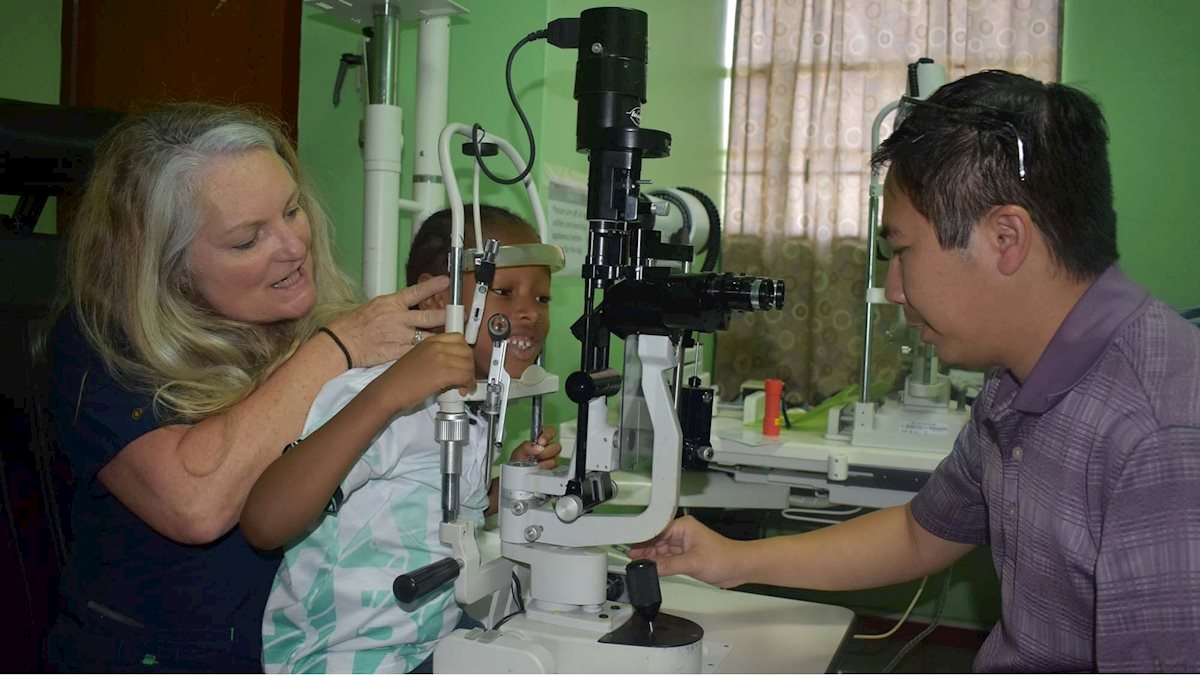
WVU's long-running Kids Insight partnership remained a major outreach story in 2023, documenting how Eye Institute faculty and staff returned to Saint Lucia to provide surgeries, eye exams, and low-vision services after the pandemic pause. During the 2022 mission described in the article, the team treated 46 patients and completed 17 surgeries, including pediatric and adult cataract procedures as well as ptosis and tumor surgeries. This item gives a news archive a strong service narrative while also showing the clinical breadth of West Virginia ophthalmology. It underscores a consistent theme of WV-based specialists extending care to underserved communities through organized, sustained outreach.
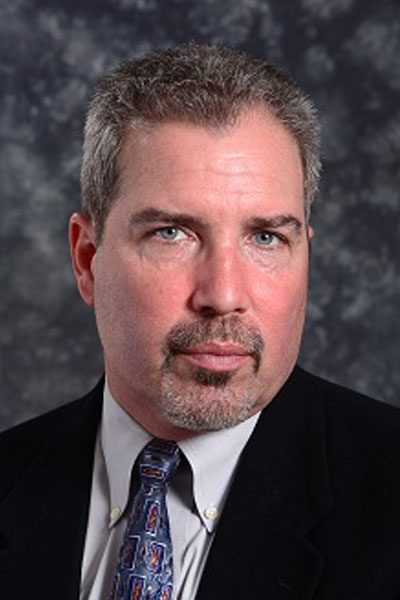
The Secretariat Award is an annual award recognizing special contributions to the Academy and ophthalmology, as determined by Academy Senior Secretaries and Secretaries in their respective areas. It was created to increase opportunities for ophthalmologists to be recognized for contributions outside of the scope of the current Achievement Awards Program.
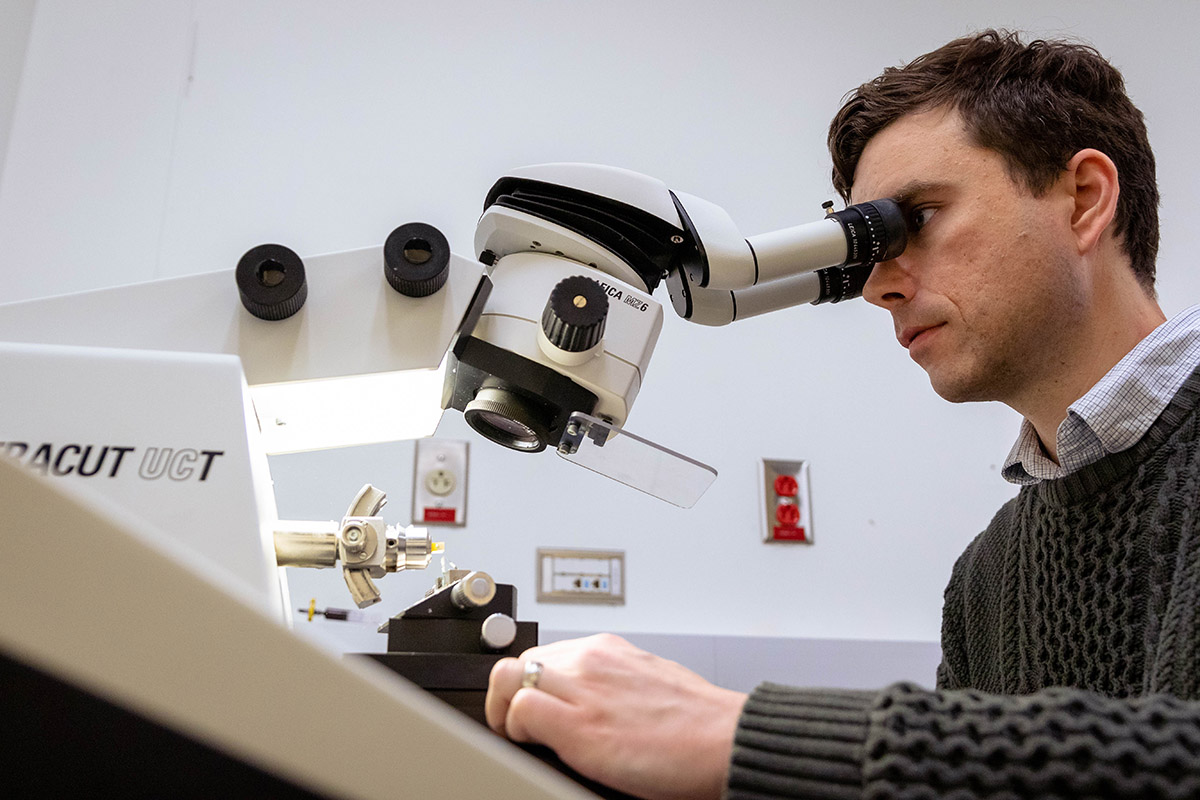
In one of the strongest vision-research stories to emerge from West Virginia in recent years, WVU announced an $11 million NIH-supported award to establish a visual-sciences Center of Biomedical Research Excellence. The funding positioned the university as only the second in the country to receive this kind of visual-sciences COBRE support and was aimed at developing new ways to prevent, treat, and slow blinding diseases. For a website archive, this story is essential because it ties West Virginia directly to nationally significant research infrastructure and frames the state not just as a place of care delivery, but as a serious contributor to the future of ophthalmic science.
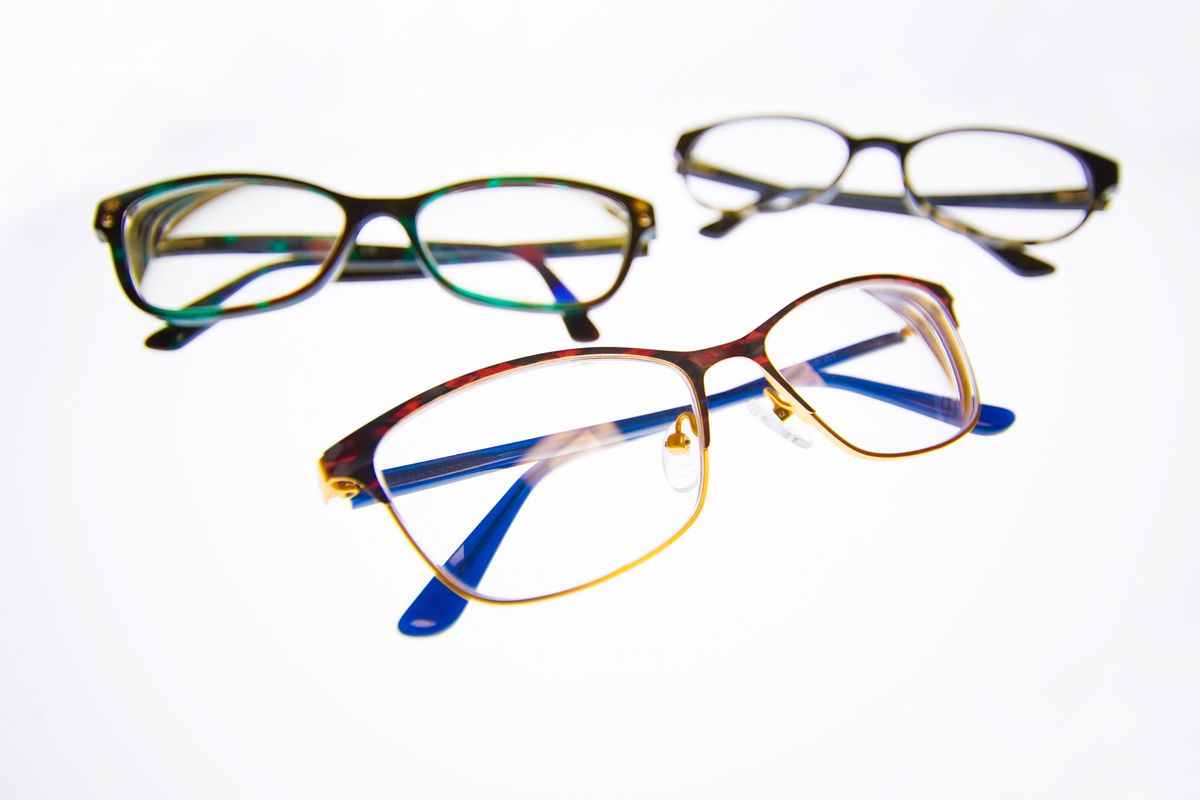
WVU researchers Peter Stoilov and Visvanathan Ramamurthy received continued National Eye Institute support to investigate the molecular mechanisms behind retinal degeneration, focusing on proteins known as Musashi. Their work aims to clarify how photoreceptors develop, survive, and fail, with the long-term goal of opening the door to broader treatment strategies for retinal disease. This is a strong archive entry because it captures the foundational science side of ophthalmology in West Virginia. Rather than reporting on a single patient case or event, it reflects the deeper research engine that can eventually shape how blinding retinal disorders are understood and treated.