News & Press
Stay informed with the latest updates, legislative alerts, and academy announcements from the WVAEPS.


The American Academy of Ophthalmology is pleased to recognize Dr. Larry Schwab with the 2020 International Blindness Prevention Award, which honors an individual who has made significant contributions to reducing blindness and/or restoring sight worldwide.

A 2021 WVU research story highlighted how engineered adeno-associated virus may be used as a delivery vehicle for gene therapy targeting inherited and otherwise difficult-to-treat eye disorders. Led by researcher Wen Tao Deng, the work explored how a benign virus could help replace faulty genetic material and support healthier photoreceptor function. This item is especially useful for a Joomla news archive because it brings forward a sophisticated, forward-looking vision-science topic while remaining understandable to a general audience. It shows West Virginia participating in the kind of translational research that could eventually change the treatment landscape for blinding disease.
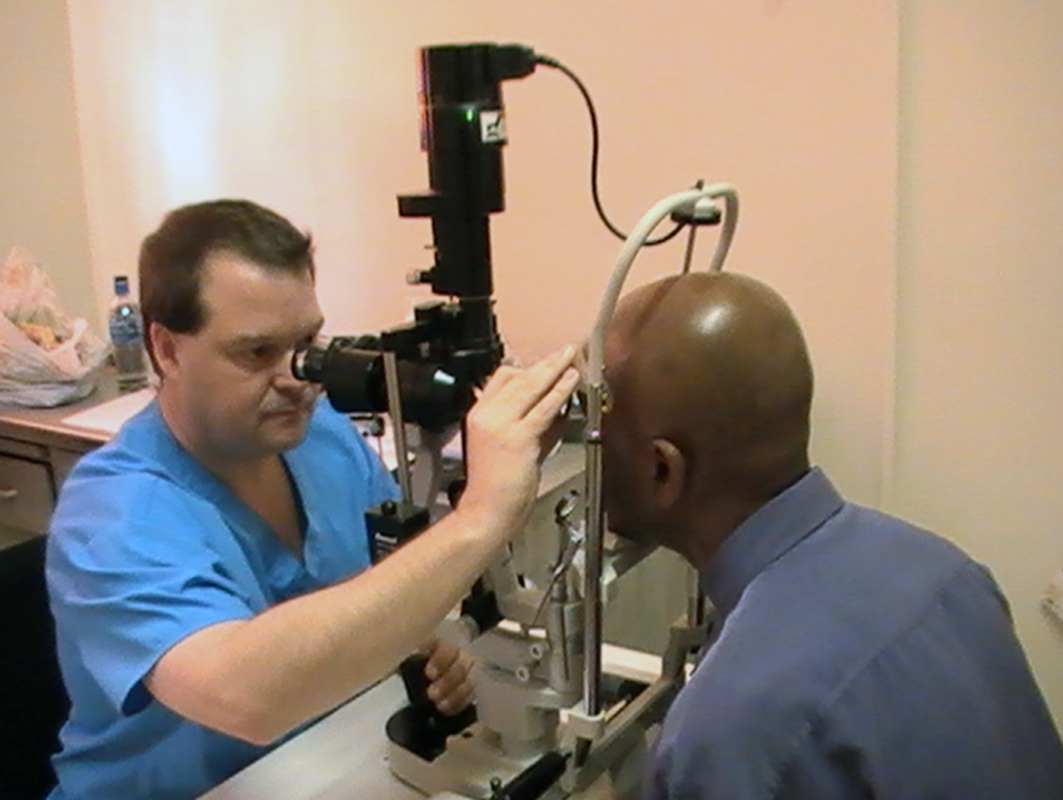
WVU partnered with the University of Pittsburgh on a major National Eye Institute-backed study examining whether selective laser trabeculoplasty could be used more effectively as a practical, lower-burden glaucoma treatment. The $15.2 million project focused on a question with direct patient relevance: whether a brief in-office laser procedure might reduce dependence on daily eye drops that many patients find costly, irritating, or difficult to use consistently. This story deserves a place in a West Virginia ophthalmology archive because it combines clinical relevance, national research support, and real-world patient impact in one of the state’s most important vision-threatening diseases.
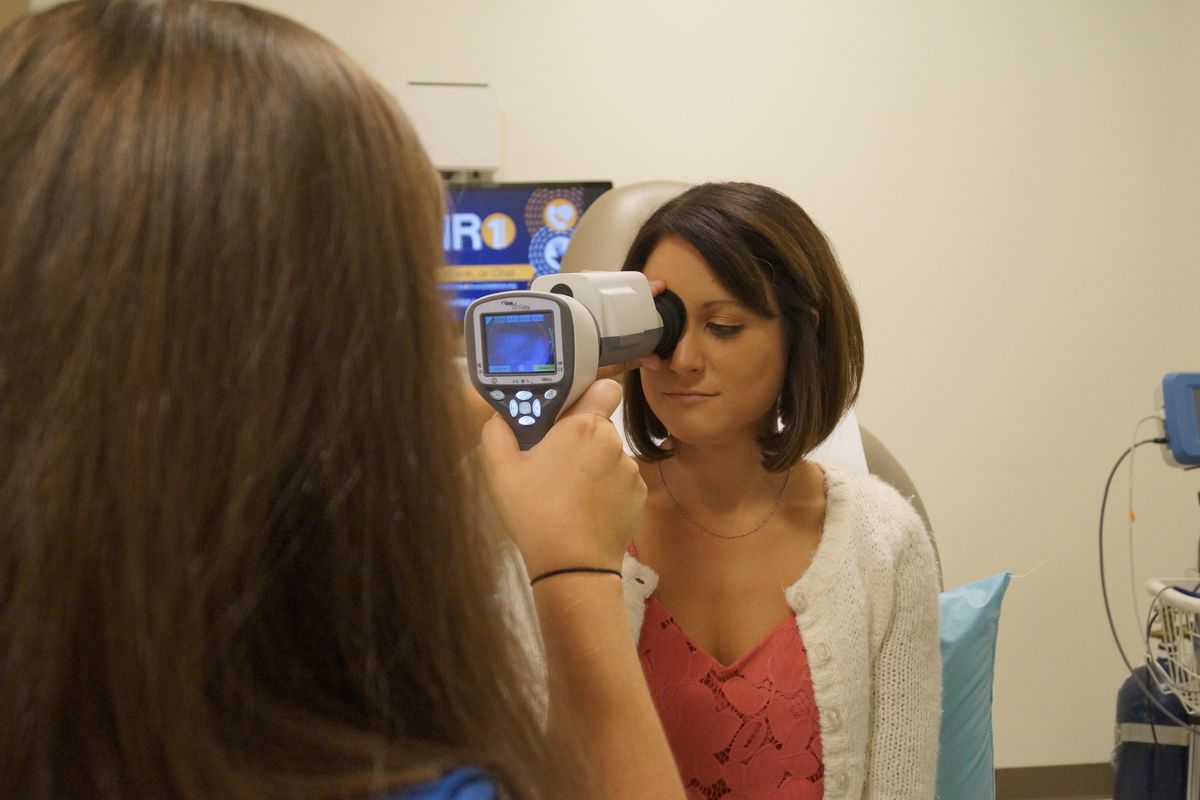
WVU physicians and partners advanced diabetic eye screening in West Virginia through the Sight Outreach Program, which trained primary care teams to capture retinal images and transmit them for review by WVU Eye Institute specialists. The initiative addressed a serious access problem in a state with high diabetes burden, where many patients were missing recommended annual eye evaluations. The article reported that early detection can reduce the risk of severe vision loss by 90 percent and that the program had already screened thousands of patients. For a website archive, this is a particularly strong public-health story because it connects eye care to statewide prevention, early intervention, and access.

In 2019, WVU researcher Jianhai Du drew attention to the critical role of the retinal pigment epithelium in keeping the retina nourished and functioning properly. His team showed that disruptions in how these cells process proline can leave the retina underpowered and contribute to degenerative disease and irreversible blindness. This is a valuable archive item because it captures another layer of West Virginia's contribution to vision science: the patient may never see this work in the exam lane, but discoveries like this help build the biochemical foundation for future therapies. It gives the news archive research depth and reinforces the state's role in tackling difficult eye disease at the cellular level.
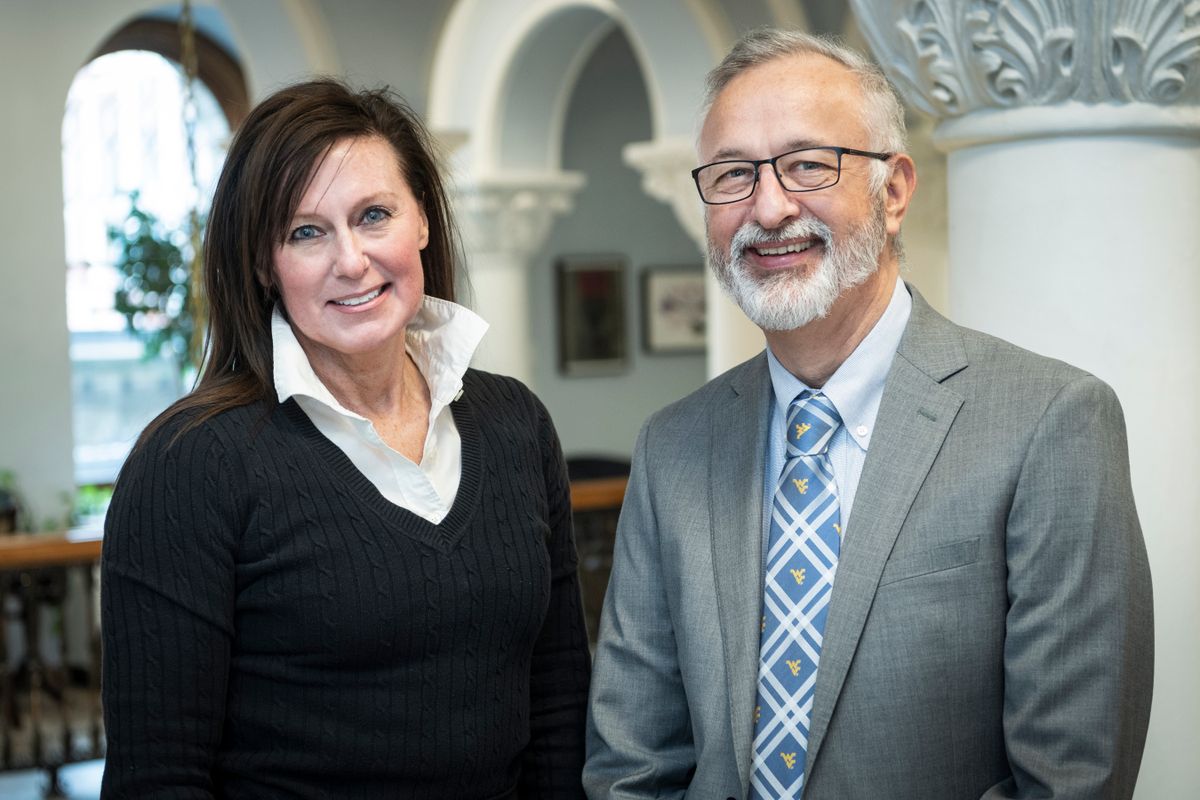
Charles Moore, medical director of the WVU Eye Institute, was honored in 2019 with the Heebink Award for Distinguished Service to the state of West Virginia. The recognition reflected a career that blended ophthalmic leadership with service to communities across the state, making it a strong people-centered item for a website archive. Not every news post needs to focus on legislation, equipment, or research grants; this one adds a leadership and service dimension that helps round out the story of ophthalmology in West Virginia. It also highlights how eye-care impact can be measured not only in procedures and publications, but in long-term commitment to public service.