News & Press
Stay informed with the latest updates, legislative alerts, and academy announcements from the WVAEPS.


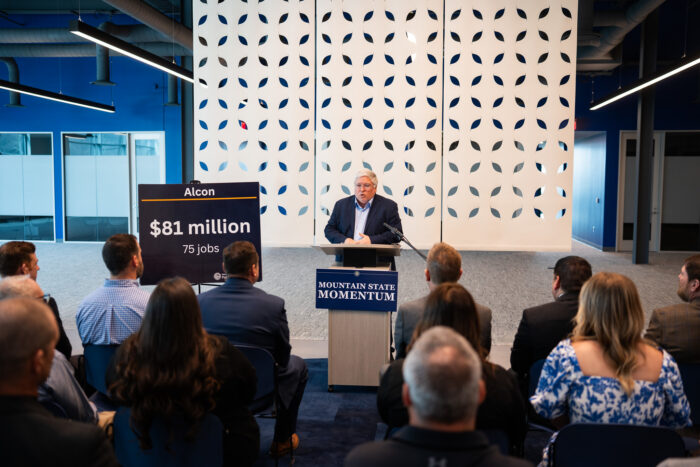
West Virginia's eye-care economy made major news when Alcon announced an $81 million expansion of its Cabell County operations. The company manufactures intraocular lenses and lens-delivery systems used in cataract and vision-correction procedures around the world, and the project is expected to create 75 new high-paying jobs while lifting the company's West Virginia payroll to nearly 700. For a WV-focused news archive, this story adds an important business and manufacturing dimension to the state's ophthalmology landscape, showing how vision care in West Virginia is connected not only to clinics and research centers, but also to advanced production and long-term industry investment.

One of the most consequential recent eye-care stories in West Virginia came when a circuit court ruled that the state's optometry board had exceeded its authority by attempting to expand optometrists' scope of practice to include certain eyelid surgeries. The decision made this a major patient-safety, policy, and professional-standards development for the state. For a Joomla news archive, this item helps capture a significant legal moment in West Virginia ophthalmology, reflecting how questions of training, authority, and surgical oversight can directly affect both providers and patients.
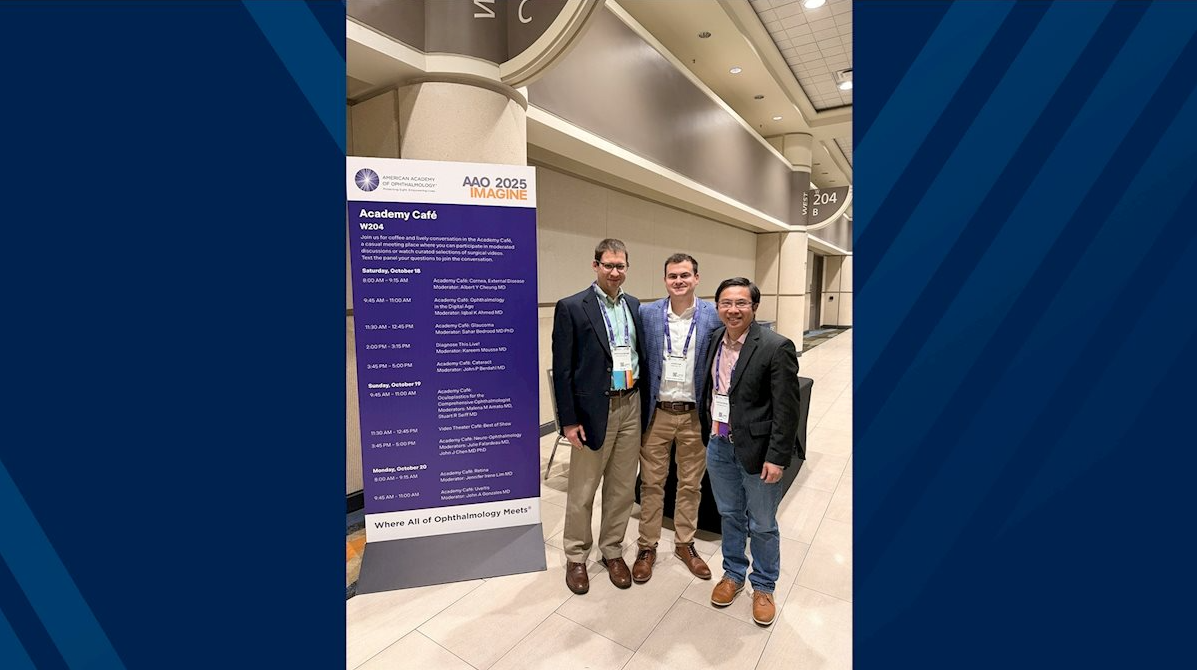
A WVU ophthalmology team received national recognition from the American Academy of Ophthalmology after presenting an innovative solution for a difficult glaucoma surgery complication. The case involved a patient who developed tissue erosion after tube shunt surgery, prompting a creative collaborative repair led by glaucoma and oculoplastic specialists. Both the video and abstract on the case earned AAO Best of Show honors. This story is strong website material because it highlights West Virginia physicians contributing advanced surgical problem-solving on a national stage while reinforcing the depth of specialty expertise available through the state's academic eye-care network.
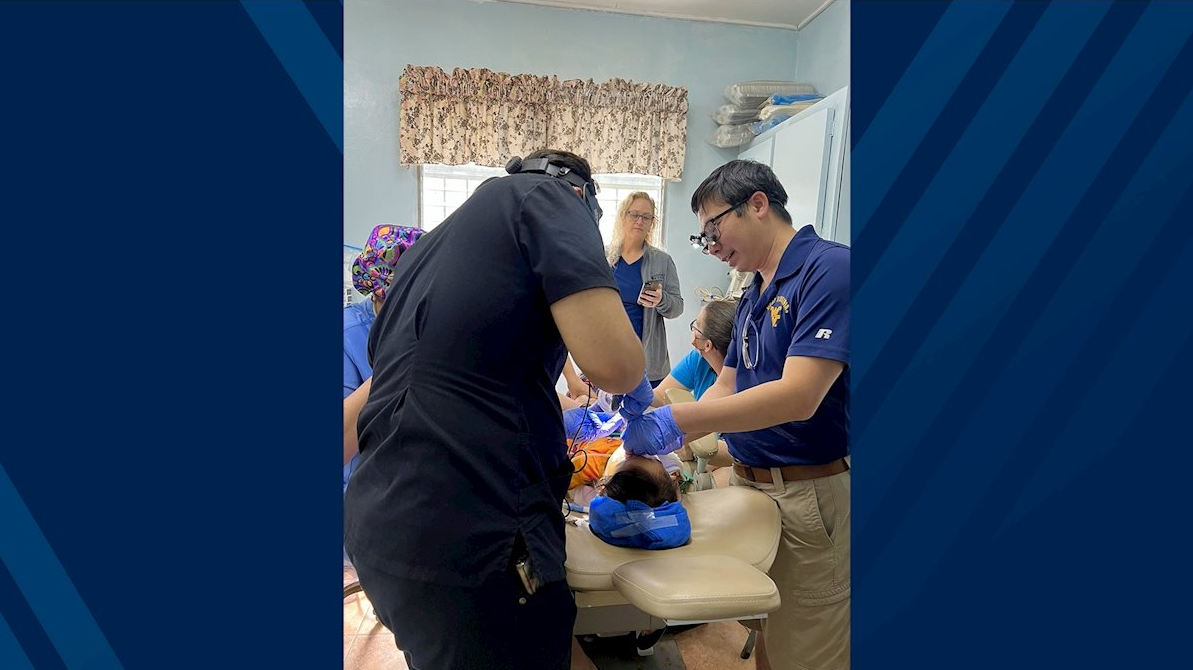
West Virginia ophthalmologists John Nguyen and Clinton Jordan brought WVU expertise to an international outreach mission in Honduras, where they delivered eye care to 226 patients and performed 25 ocular surgeries over five days. Their work also included training for local physicians, medical students, and nurses, expanding the mission beyond short-term treatment toward longer-term capacity building. Although the care took place abroad, the story reflects the reach, service ethic, and clinical leadership of West Virginia ophthalmology. It also gives a news archive a human-centered item that balances research and policy coverage with direct patient impact and physician service.
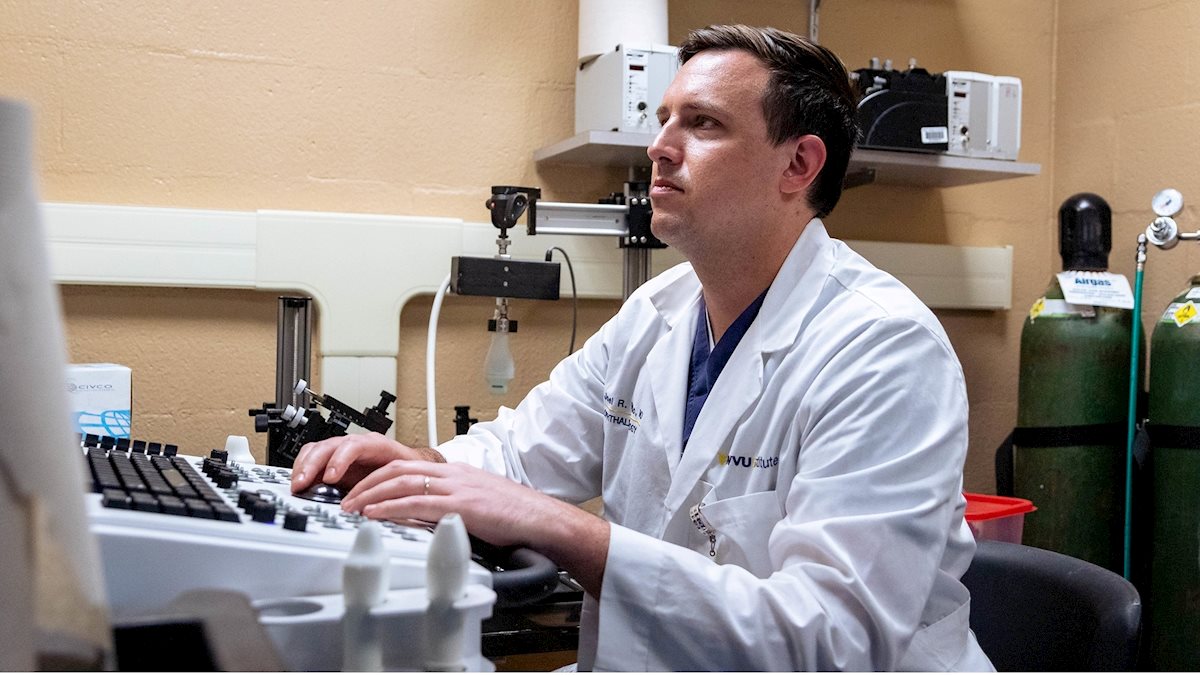
WVU researchers secured grant support from the Glaucoma Research Foundation to investigate how low blood pressure may contribute to glaucoma progression, a question that could open new pathways for protecting vision. The project combines clinical expertise with a newly developed ultrasound localization microscopy technique designed to measure blood flow and tissue strain in the optic nerve at levels that were previously difficult to study. This is an especially strong archive item because it shows West Virginia scientists working at the frontier of glaucoma research while focusing on mechanisms that may ultimately lead to better treatments for patients facing irreversible vision loss.
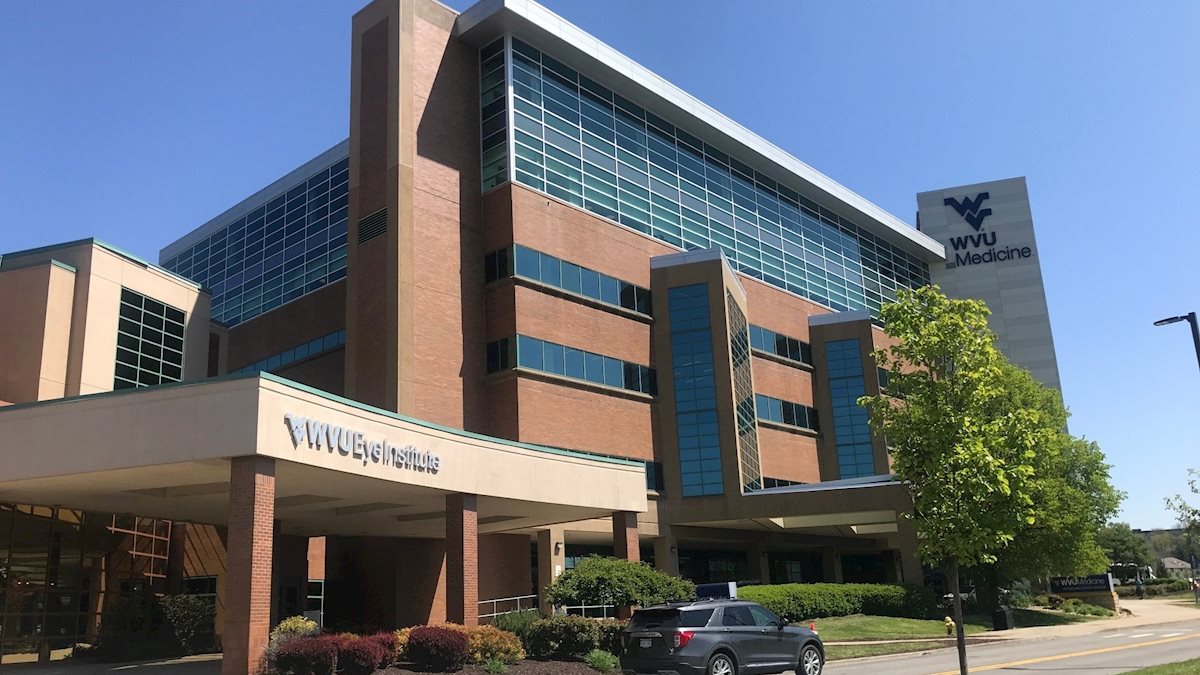
In 2024, the WVU Eye Institute announced a new Immuno-Ocular Enrichment Support Group for patients with autoimmune conditions that affect eye health. Facilitated by uveitis specialist Grace Levy-Clarke, the program was designed to combine education, community support, and practical guidance for patients and families dealing with complex chronic conditions. This story broadens a West Virginia eye-care news archive beyond surgery and research by emphasizing patient support, outreach, and quality of life. It shows how ophthalmology in the state is also evolving through programs that help patients better understand their diagnoses and navigate the day-to-day challenges of living with vision-threatening disease.

WVU Medicine announced a sweeping capital investment plan in 2024 that included $233.5 million for a new multi-center outpatient facility with surgical suites for the WVU Eye Institute in Morgantown. For any West Virginia ophthalmology archive, this is a cornerstone infrastructure story: it signals not just growth, but a long-term commitment to modernizing the physical footprint of eye care in the state. The project also points to expanded access, updated surgical capacity, and a stronger platform for future clinical care, subspecialty services, and patient volume at one of West Virginia's most important ophthalmic centers.